Knowledge & news
Page 45
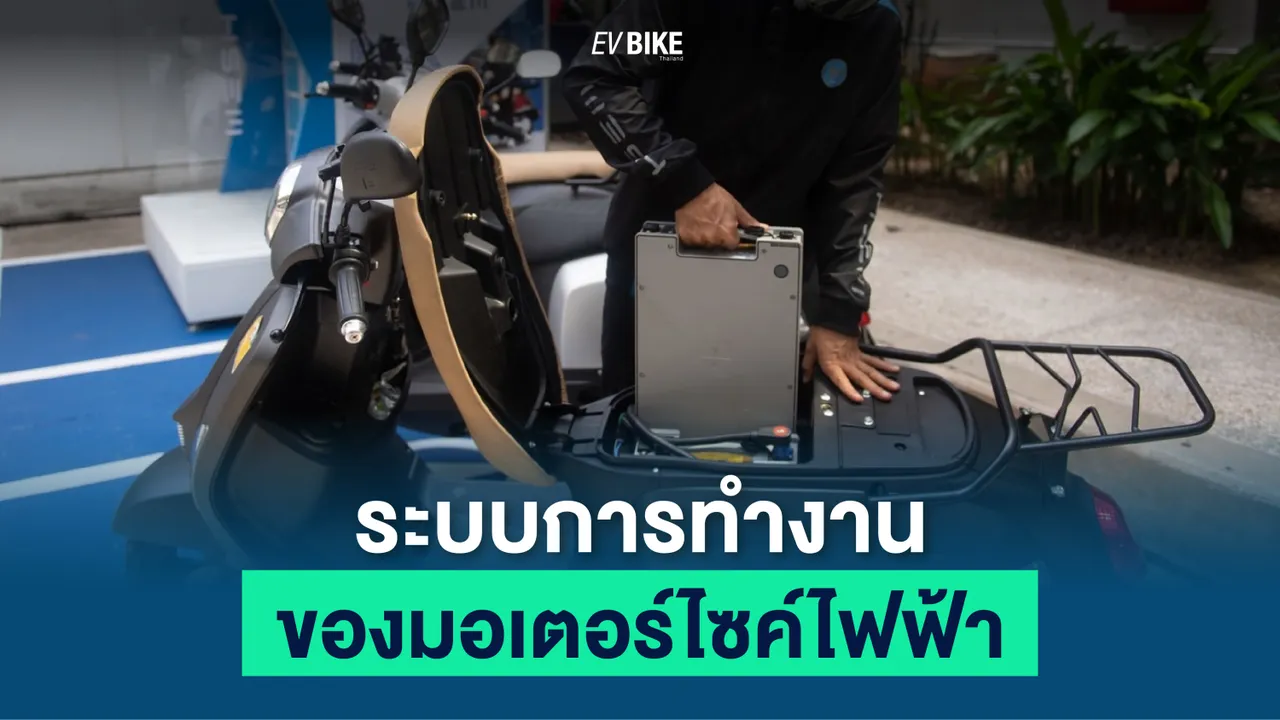
How Electric Motorcycles Work
Electric motorcycles run on electricity, which many see as an alternative energy that helps protect the environment. This has led to the production of electric vehicles, an interesting development, because electric drive reduces oil use and the smoke and dust from burning fuel that contribute to global warming and PM2.5. Amid ever-changing traffic conditions, electric motorcycles are an important option leading to sustainability as a new innovation in line with the SDGs. At the heart of these modern innovations is the "operating system," a complex mechanism designed to deliver an exciting riding experience that is safe for both the rider and the environment.
Read more →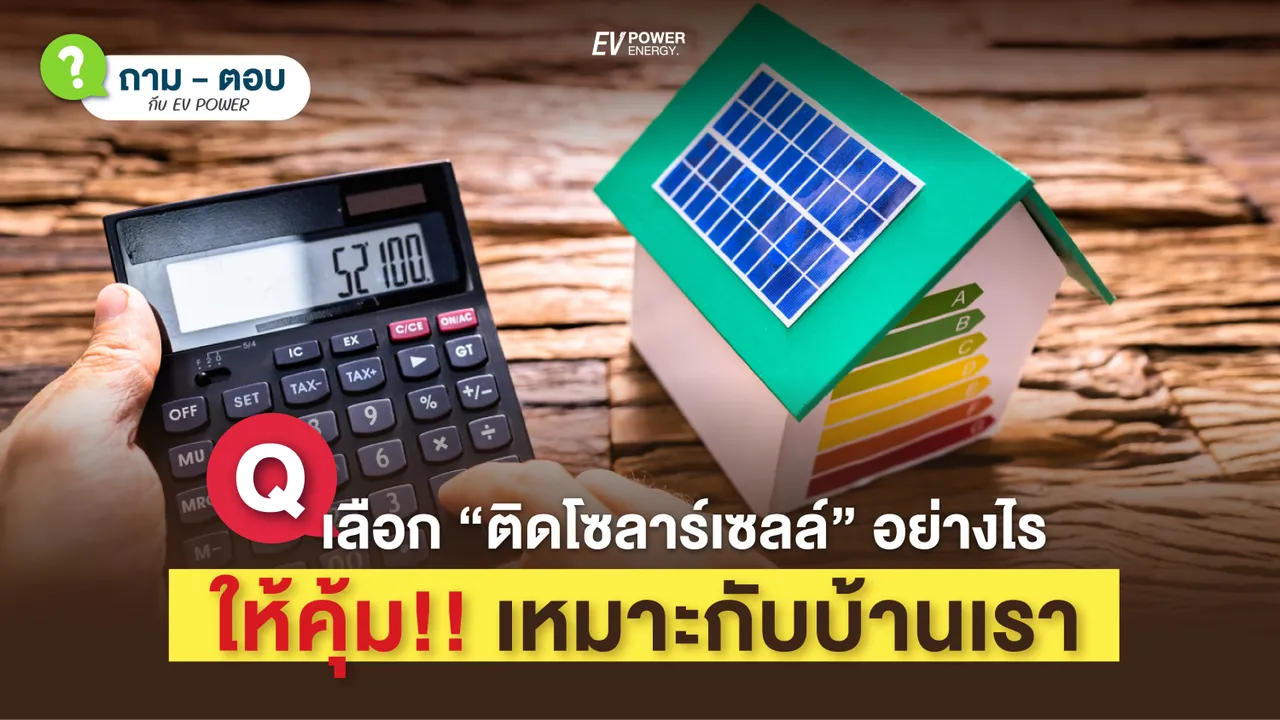
Q&A: How to Choose a Solar Installation That's Worth It
Q: How do I choose, and what size solar system is worth installing? A: Normally, we review about 3–6 months of past electricity bills to find the average monthly cost and assess the proportion of daytime electricity use in the home, in order to choose a system size that suits actual usage.
Read more →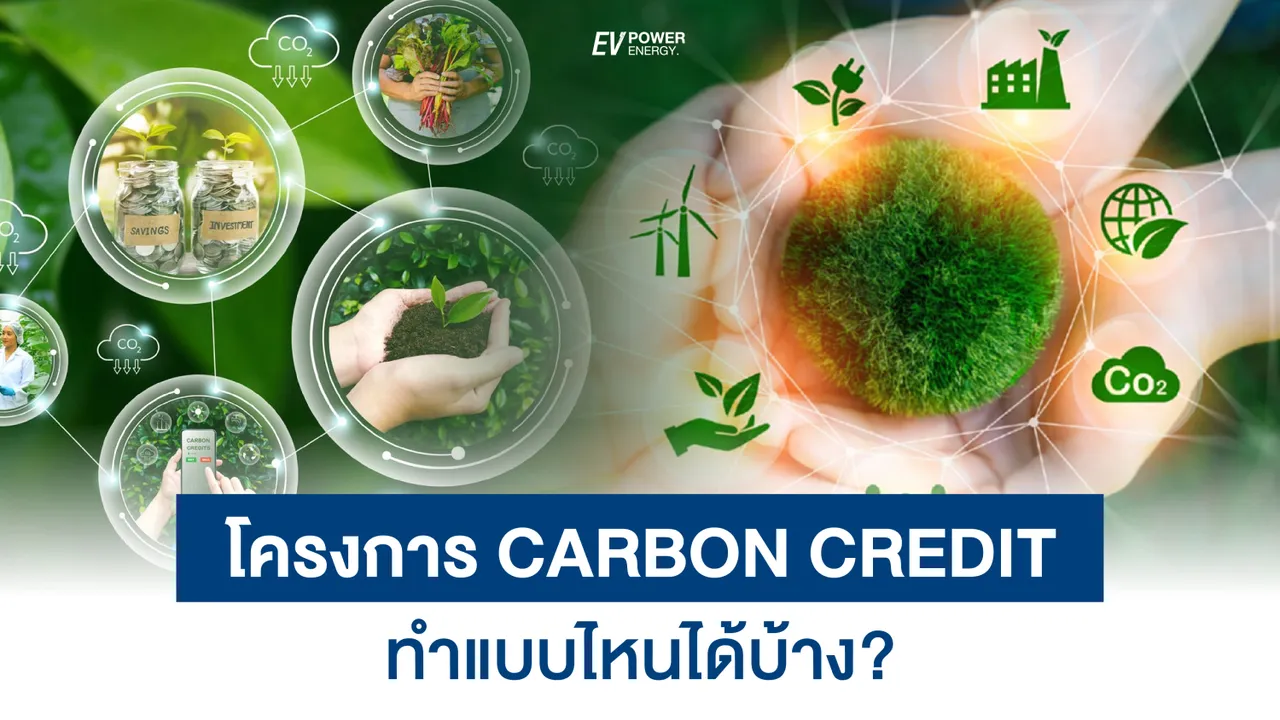
Carbon Credits: What Kinds of Projects Qualify?
Demand for carbon credits is currently very high and is likely to keep increasing, driven by growing awareness, commitments and policies at both national and organizational levels targeting Carbon Neutrality and Net Zero Emissions, as well as demand for carbon credits for offsetting in the service sector. Let's look at how many types of T-VER projects there are — but first, let's get a brief overview of the T-VER program.
Read more →
Frequent Voltage Drops — Can Solar Help?
Many households have probably experienced "voltage drops" at some point, which cause annoyance and worry about damage to household appliances. Moreover, homes used as home offices, or shops, restaurants and cafés, are affected even more and face especially high risk. So we should understand the causes, impacts, solutions and prevention methods to reduce the risks that can occur.
Read more →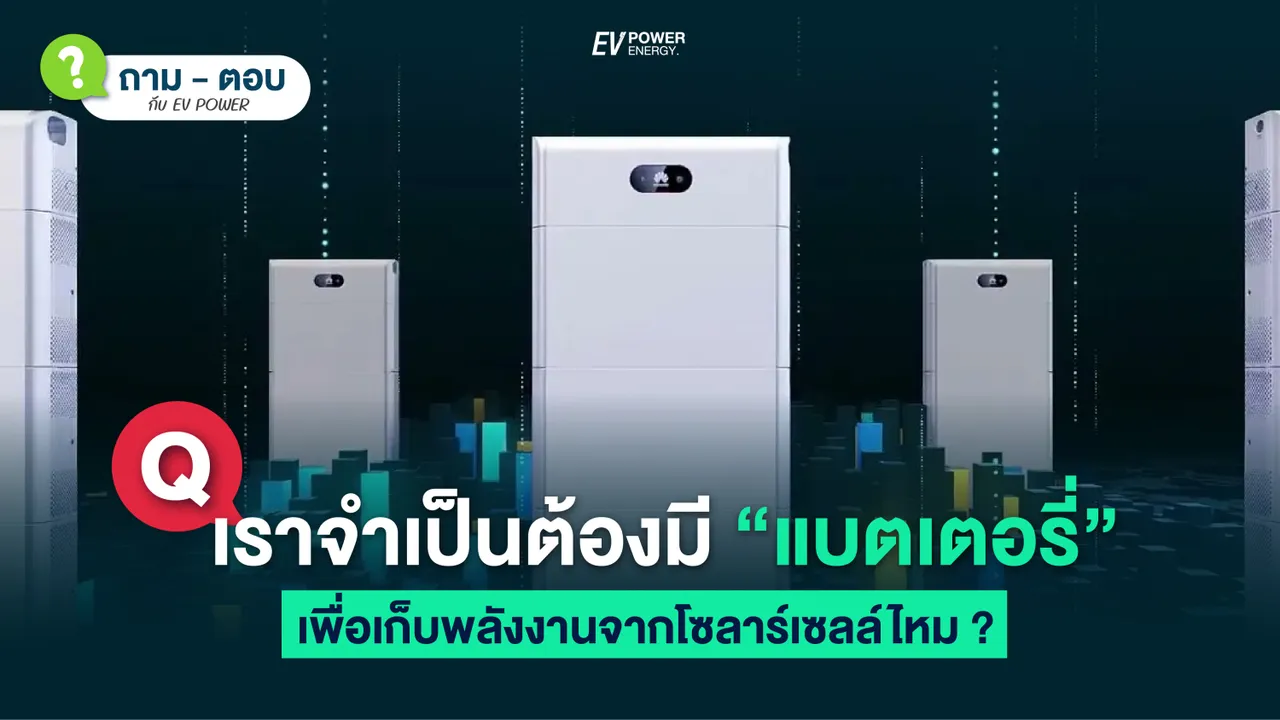
Q&A: Does a Solar Installation Need a Battery for Energy Storage?
Q: Do we need a battery system for energy storage? A: The first reason to install a battery system is to have backup power available during outages. In addition, you can use the electricity generated by your solar system during times when there is no sunlight. A solar system can work all year round, not just during power outages.
Read more →
Getting to Know "Solar": Why You Should Install It
Solar cells, or solar panels, are devices that convert sunlight into electricity, using the principle of converting solar energy into usable electricity. They are popular as a renewable and clean energy source.
Read more →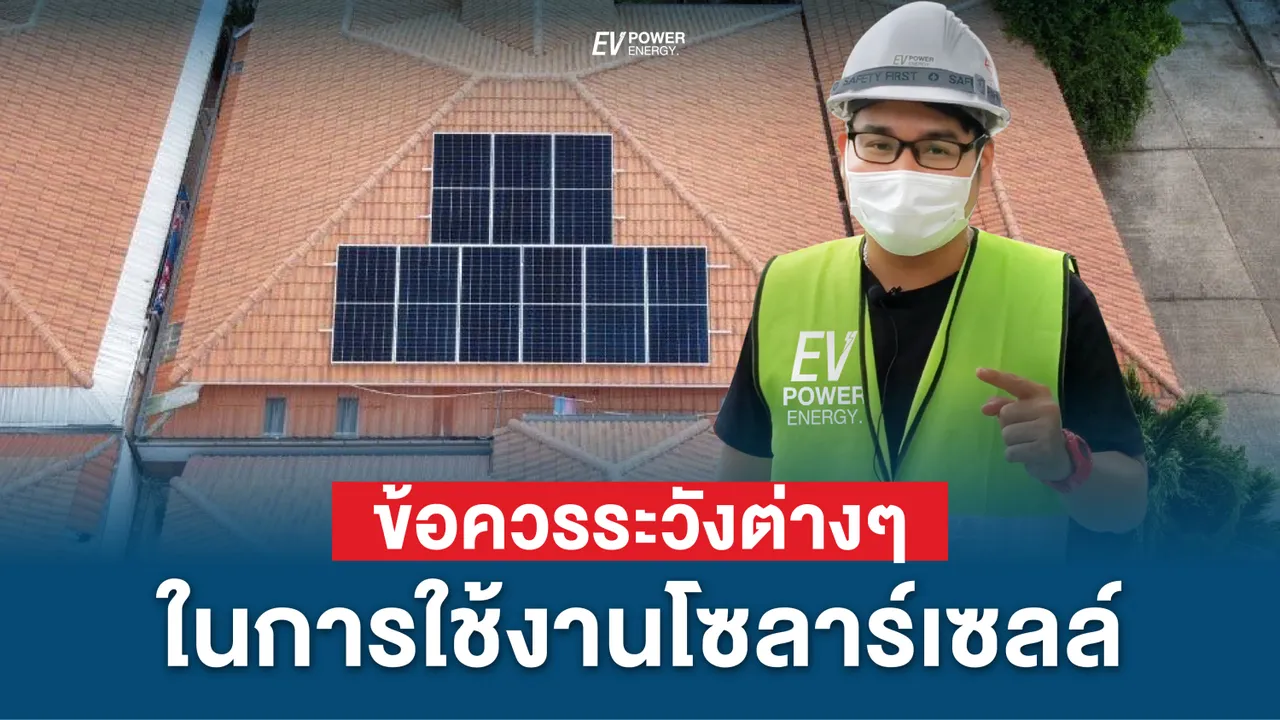
Precautions When Using Solar Systems
Using solar to generate energy is increasingly popular today as a clean and sustainable energy source. However, there are some precautions that users should know and be careful about.
Read more →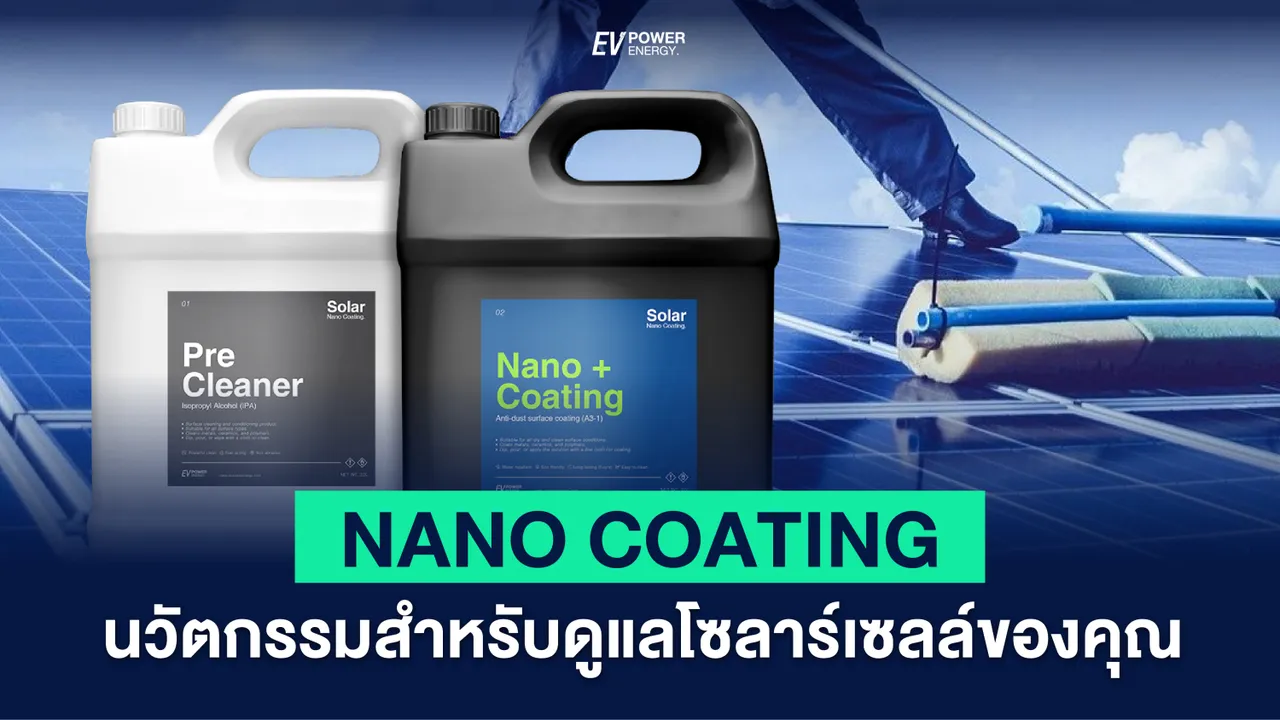
"Nano Coating": An Innovation for Caring for Your Solar Panels
As we know, "solar cells" are devices that convert sunlight into electricity. Their performance normally depends on many internal and external factors, such as structural properties, installation orientation, age, light intensity, shading, temperature, pollution and cleanliness.
Read more →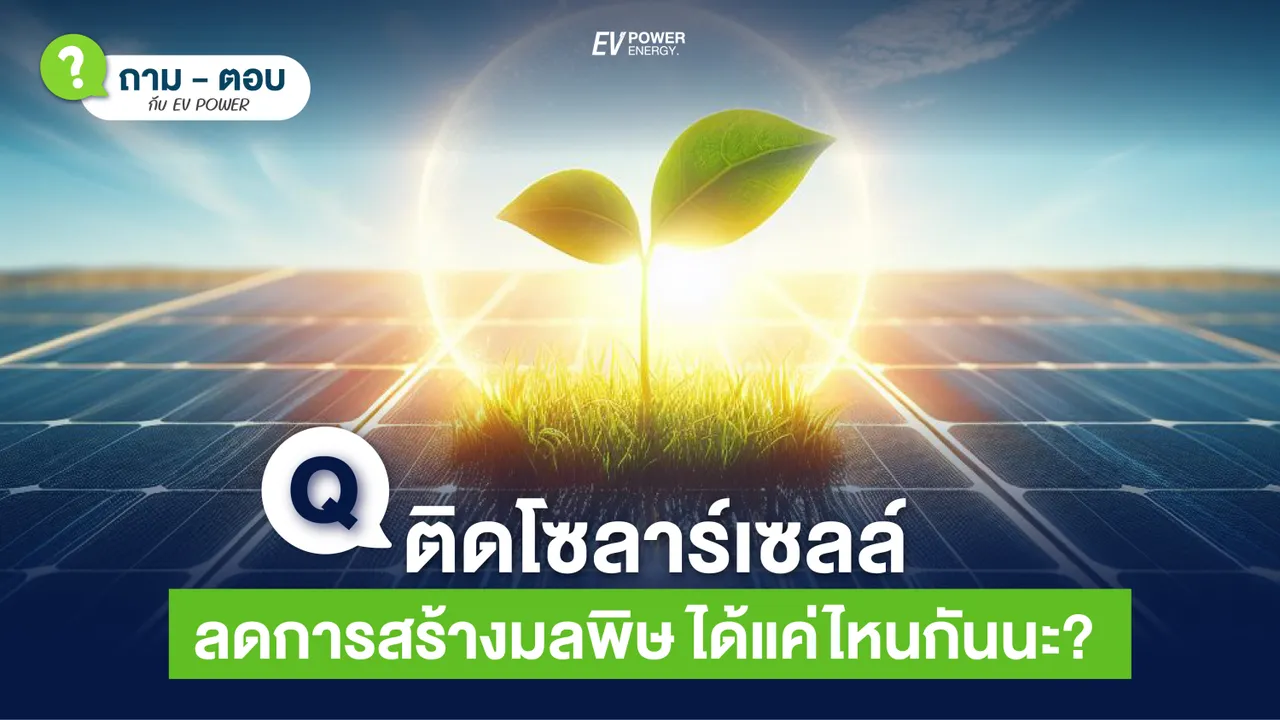
Q&A: How Much Pollution Does Installing Solar Actually Reduce?
Q: How much does installing solar help reduce pollution? A: A 1-kilowatt solar system (10 panels of 120 x 60 cm) generates 1,300 kWh/yr (units per year). Calculating greenhouse gas emissions: GHG emissions = Activity Data x Emission Factor = 1,300 kWh x 0.6933 kgCO2e/kWh = 901.3 kgCO2e. So a 1-kilowatt solar system can reduce greenhouse gas emissions by 901.3 kgCO2e per year, equivalent to planting about 101 trees (one perennial tree absorbs about 8 kg of carbon dioxide per year).
Read more →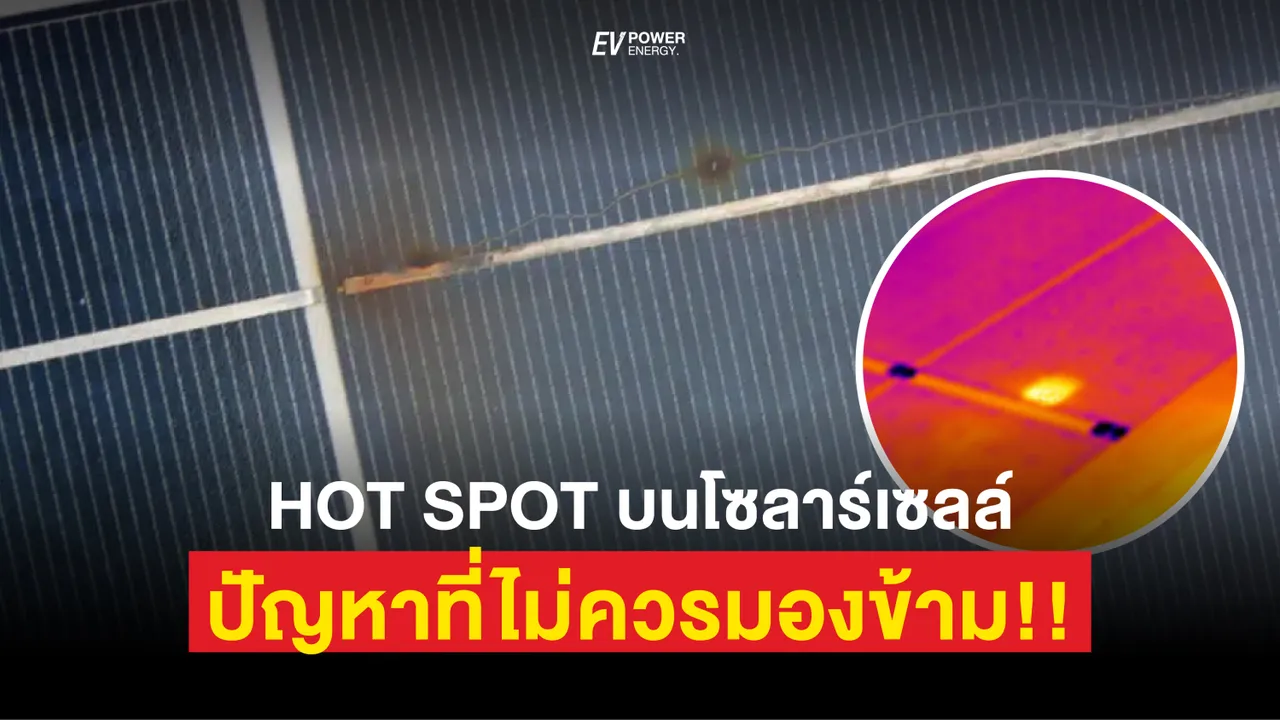
Hot Spots on Solar Panels: A Problem You Shouldn't Ignore!
In solar cells, a hot spot is an area of intense heat build-up within a cell, which may occur when there is a fault or damage in the cell itself, caused by issues such as distortion of the cell structure or partial damage to the cell surface. Cells with hot spots usually run hotter than the rest of the module, which can cause long-term damage and affect the solar panel's energy output. Detecting and fixing hot spots is essential to maintaining the long-term performance of your solar energy system. Taking care during installation and properly maintaining your solar panels can help reduce the chance of hot spots in the future.
Read more →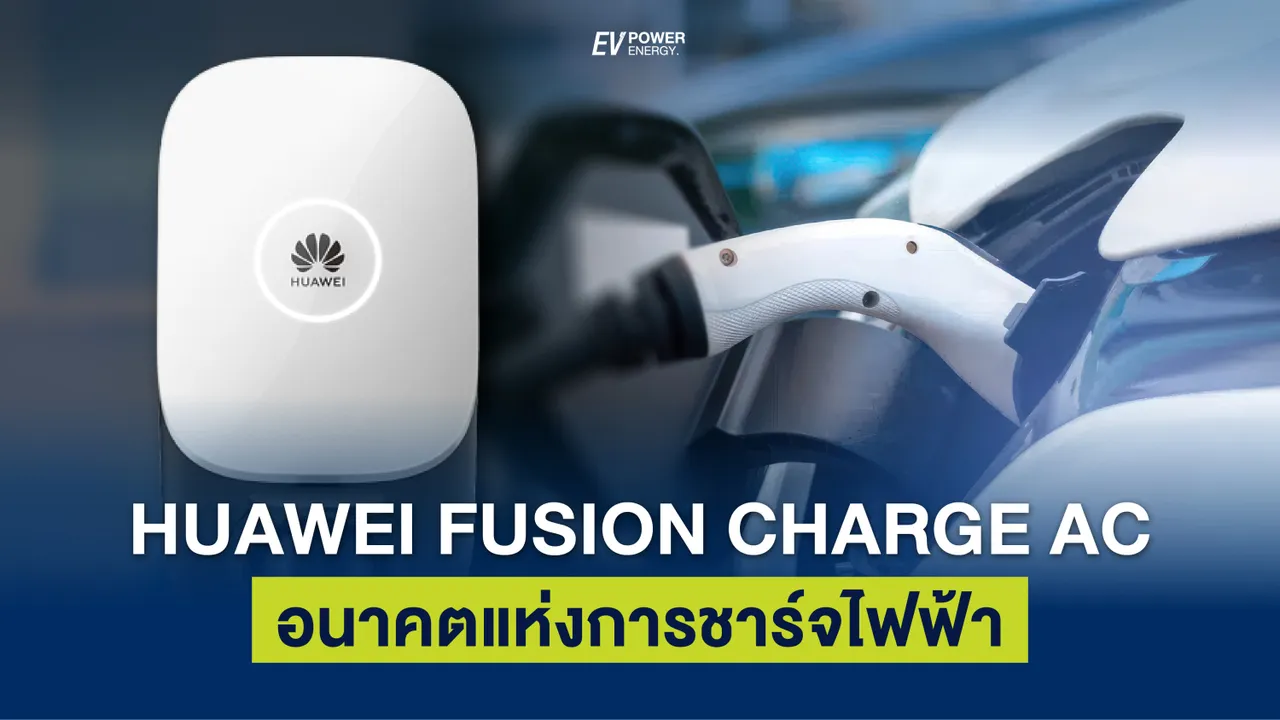
Huawei Fusion Charge AC: The Future of EV Charging
A mobility revolution is underway as electricity becomes the main choice for powering vehicles today. Huawei, as a global technology leader, is committed to driving innovation and developing smart charging solutions. The Huawei Fusion Charge AC smart charger is the answer for the future of charging.
Read more →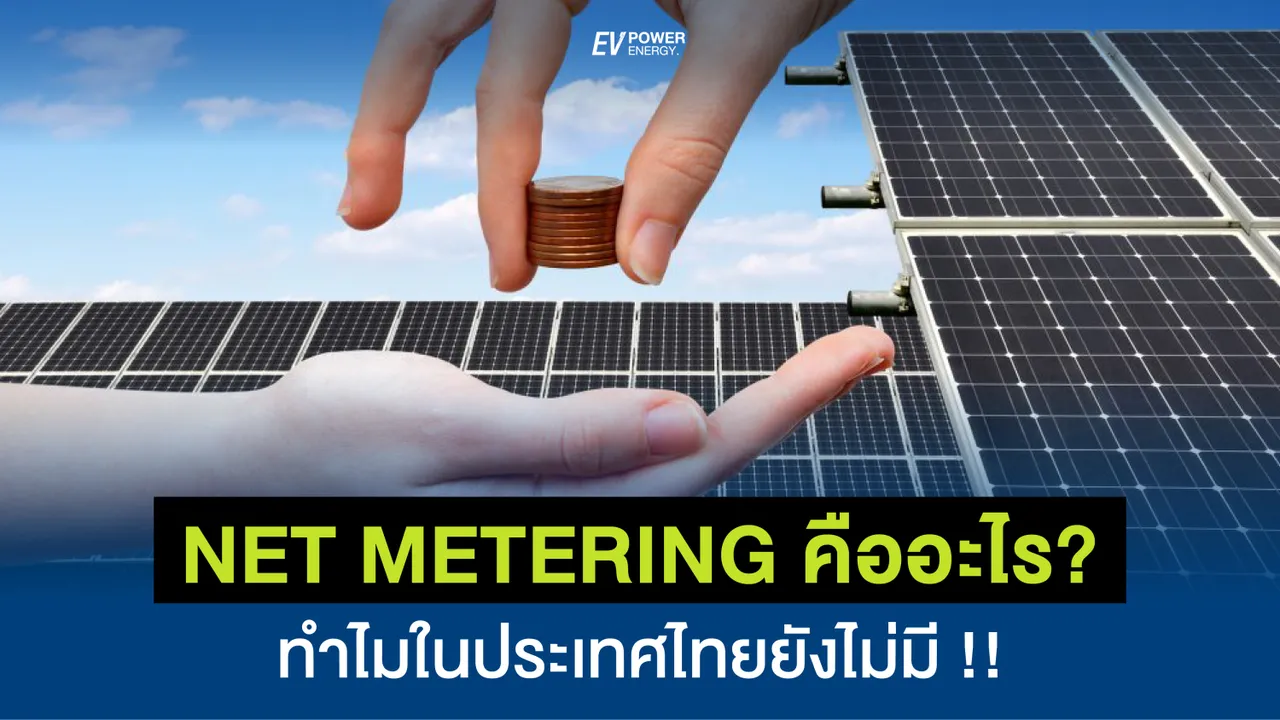
What Is Net Metering? Why Doesn't Thailand Have It Yet!
Net Metering is a system that lets electricity users who generate power from renewable sources, such as solar or wind, send electricity produced beyond their own needs into the public grid and exchange it for credits or discounts on the next billing cycle.
Read more →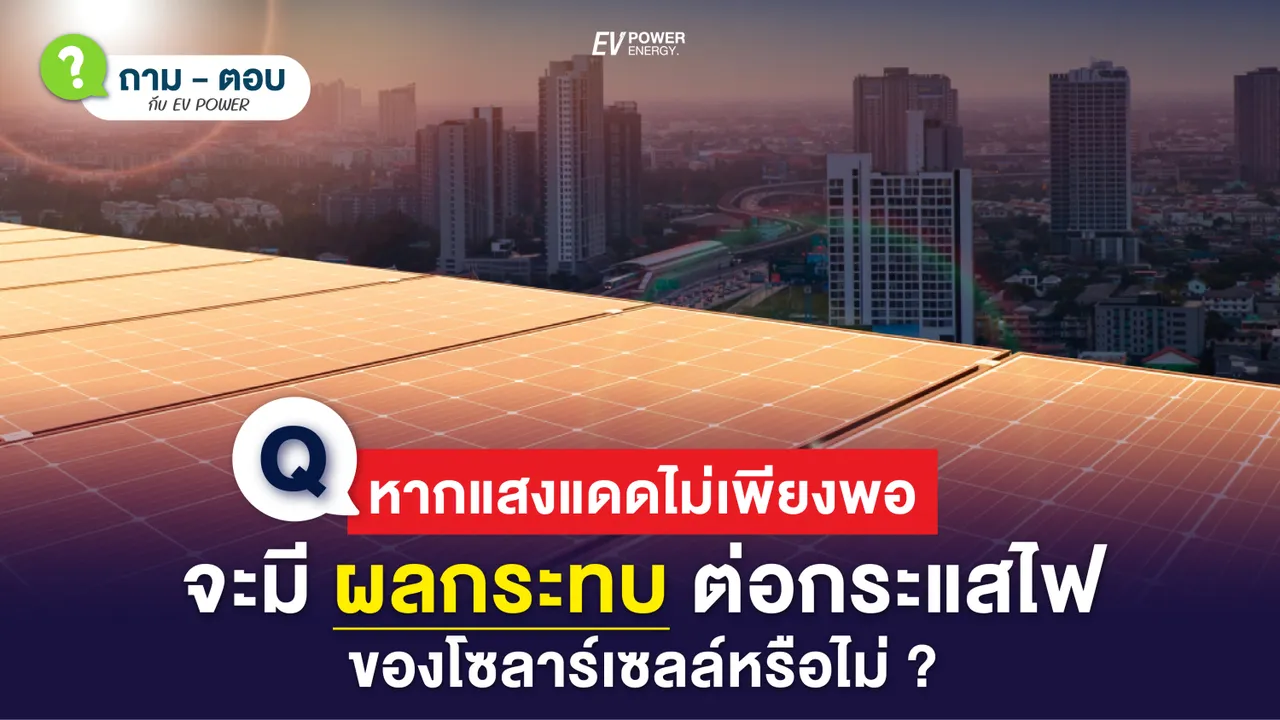
Q&A: How Much Power Do Solar Panels Make on Low-Sun Days?
Q: If there isn't enough sunlight, does it affect solar output? A: A solar system generates electricity according to light intensity. With suitable light intensity, the system produces electricity at fuller efficiency. So even with weak sunlight, solar panels can still generate electricity if the intensity is adequate, but if the light intensity is insufficient, the panels will not produce electricity at their full potential.
Read more →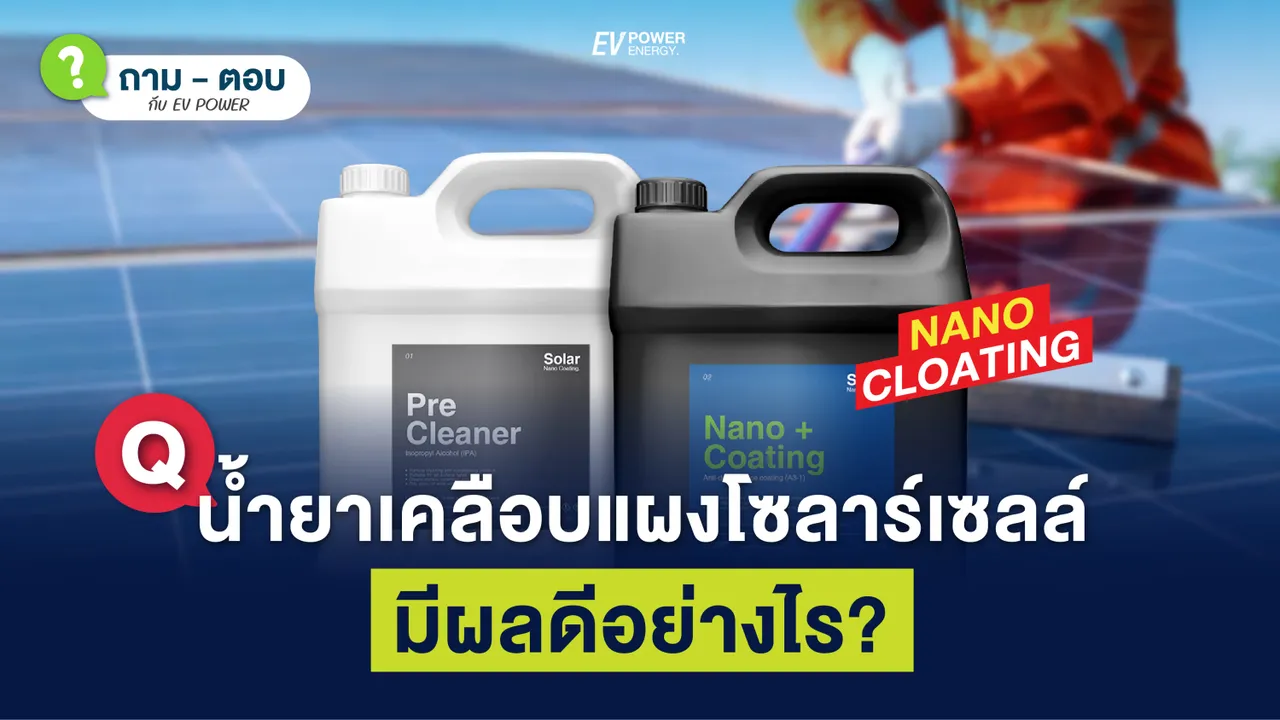
Q&A: How Does Solar Cell Nano Coating Benefit Solar Panels?
Q: How does Nano Coating benefit solar panels? A: It is a coating product for solar panels that gives the surface dust-repelling properties and causes water, oil or other liquids landing on it to bead up and roll off the panel. This reduces adhesion and washes dust and dirt off the panel without leaving water marks, increasing panel output by an average of more than 5% during the dry season as well.
Read more →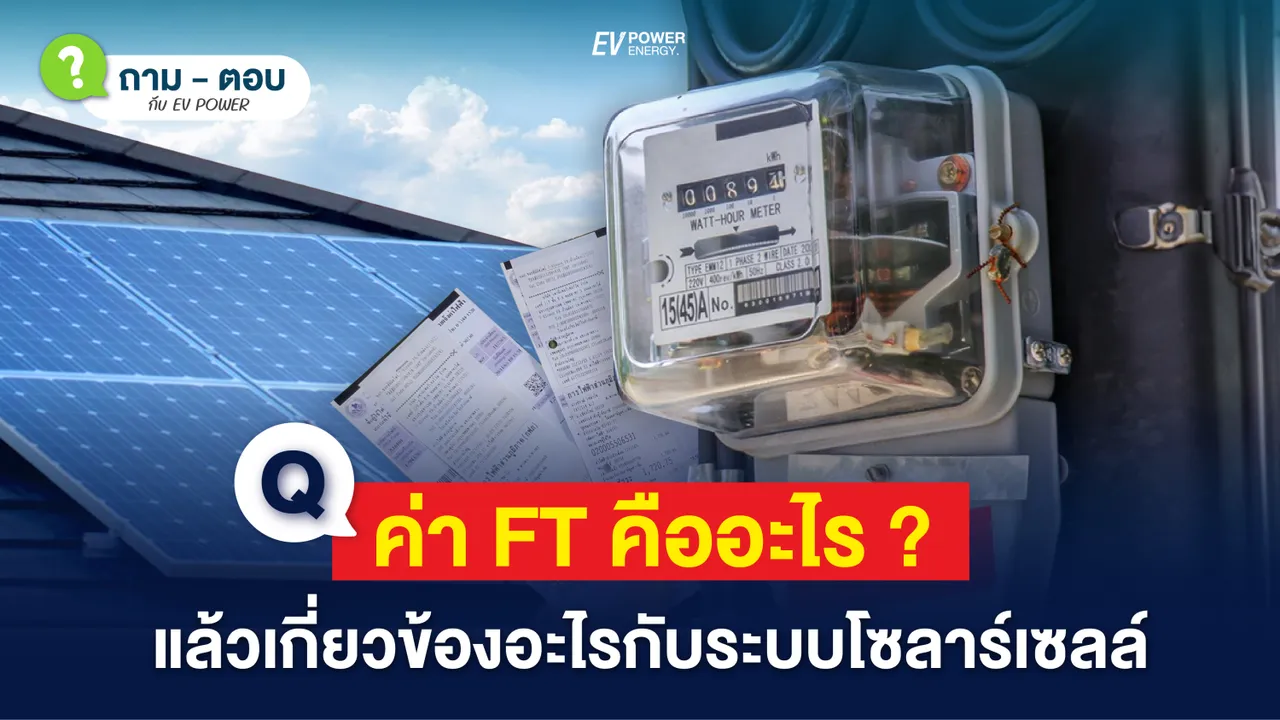
Q&A: What Is the Ft Charge and How Does It Relate to Solar?
Q: What is the FT charge, and how does it relate to solar systems? A: The FT charge currently stands for "Fuel Adjustment Charge (at the given time)." It is the cost of fuel used to generate electricity and government policy expenses that change relative to the base tariff. Data is collected and the charge adjusted every 4 months, calculated from 2 factors: 1. fuel costs, which vary with circumstances; 2. availability payment (AP), the cost of power reserves, based on forecasts of how many megawatts (MW) will be used, with a reserve 15% above peak demand. If the cost of generating electricity rises, the FT charge and electricity bills rise accordingly. "So installing a solar system can help reduce your electricity bill."
Read more →
3 Benefits of Sunlight You Shouldn't Overlook
Who says sunlight isn't important? Today let's look at the benefits of sunlight. Sunlight is known as a natural energy essential to living things and the environment. It is a key energy source that enables photosynthesis, helps the body produce vitamin D and lifts our mood, as follows:
Read more →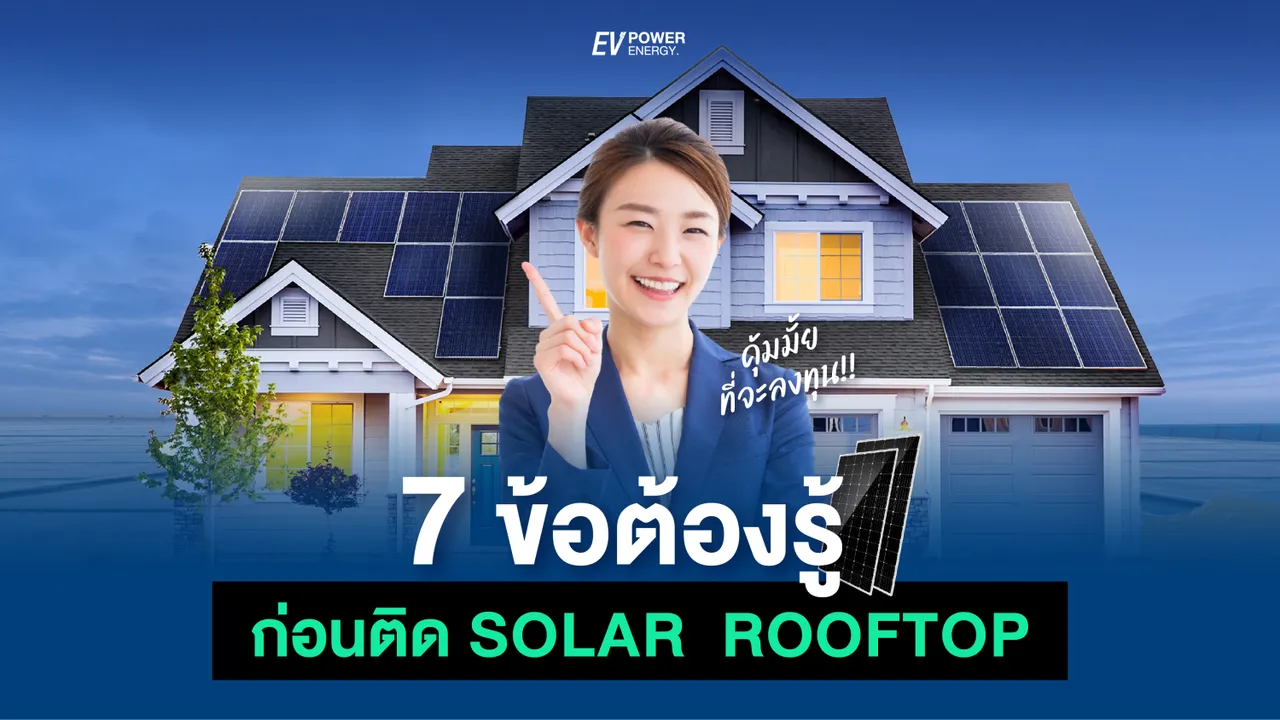
7 Things to Know Before Installing Solar Rooftop
Solar Rooftop, or rooftop solar systems, are extremely popular thanks to the trend of saving energy and cutting power bills. But before deciding to install, there are many things you should know to ensure efficient, cost-effective and safe use.
Read more →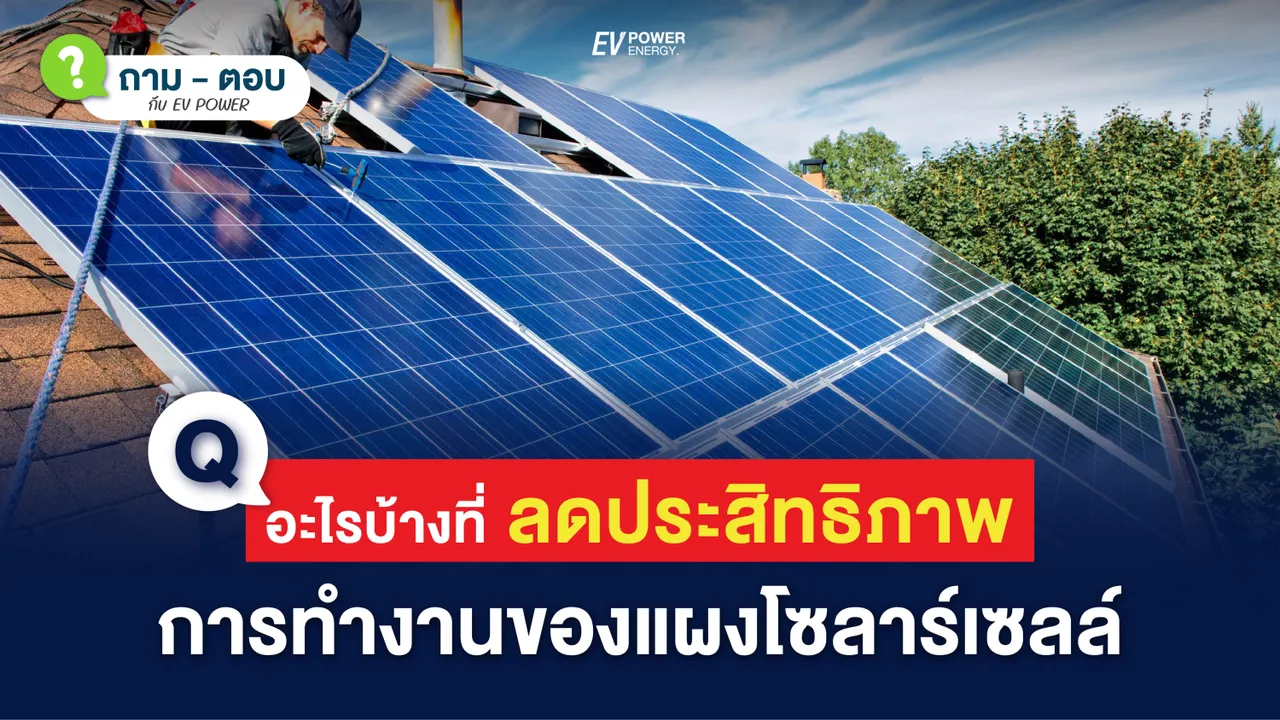
Q&A: What Reduces Solar Panel Performance?
Q: What reduces panel performance? A: Anything that reduces light intensity, such as shade, clouds, dust, leaves and the installation tilt angle. However, throughout the project contract period, the company will send staff to inspect and maintain the equipment at least twice a year.
Read more →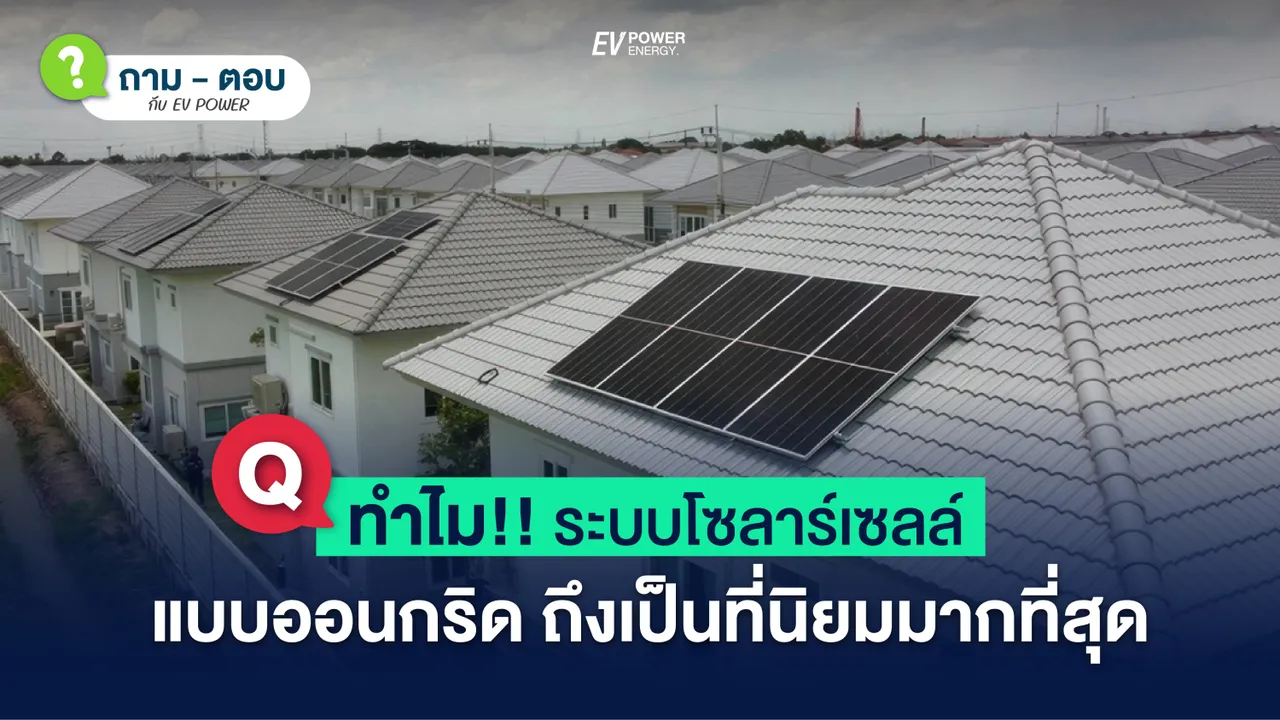
Q&A: Why Do Most People Choose On-Grid Solar?
Q: Why do most people choose on-grid solar systems? A: On-grid solar is the most popular option because it suits homes, buildings or businesses with high daytime electricity use that want to save on power bills and recoup their investment quickly. Plus, any surplus electricity can be sold back to the utility.
Read more →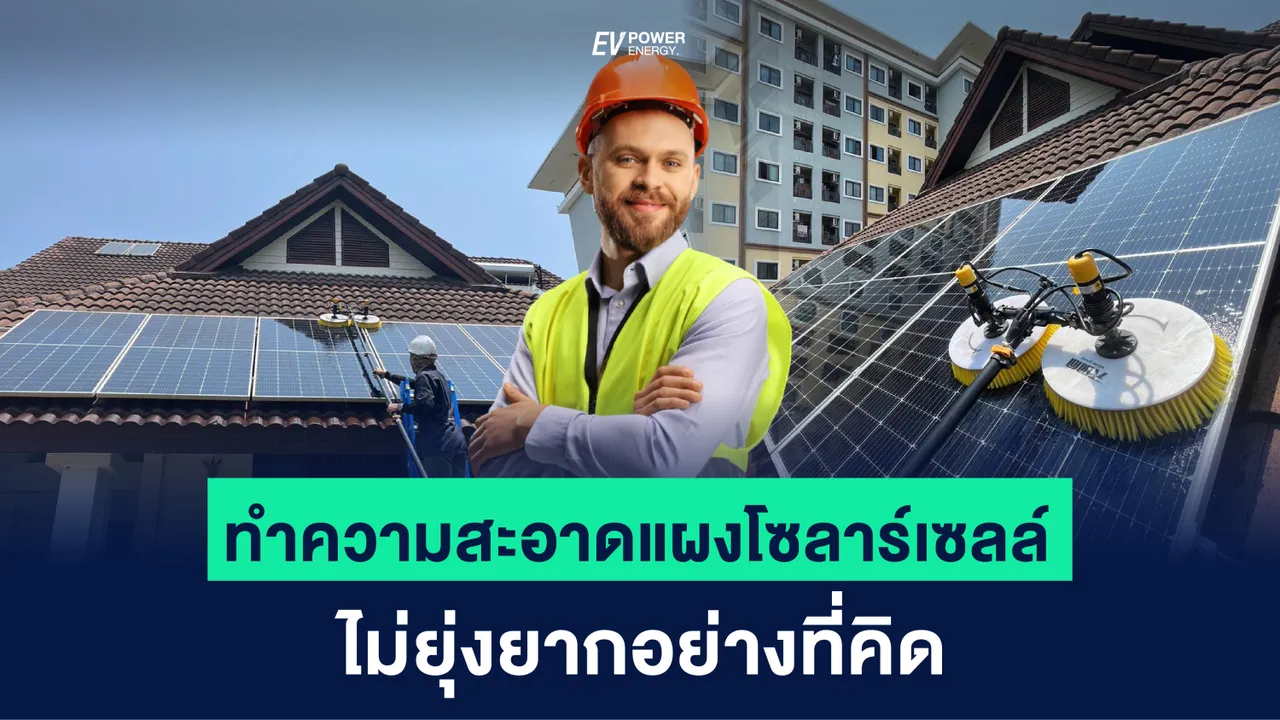
Cleaning Solar Panels Isn't as Hard as You Think
Solar panels are clean-energy generating devices that are increasingly popular today thanks to their high efficiency and their role in reducing greenhouse gas emissions to mitigate global warming. However, solar panels can accumulate dirt such as dust, birds, bird droppings, etc., which can affect their electricity output, reducing the generating capacity of a solar power system by up to 20%.
Read more →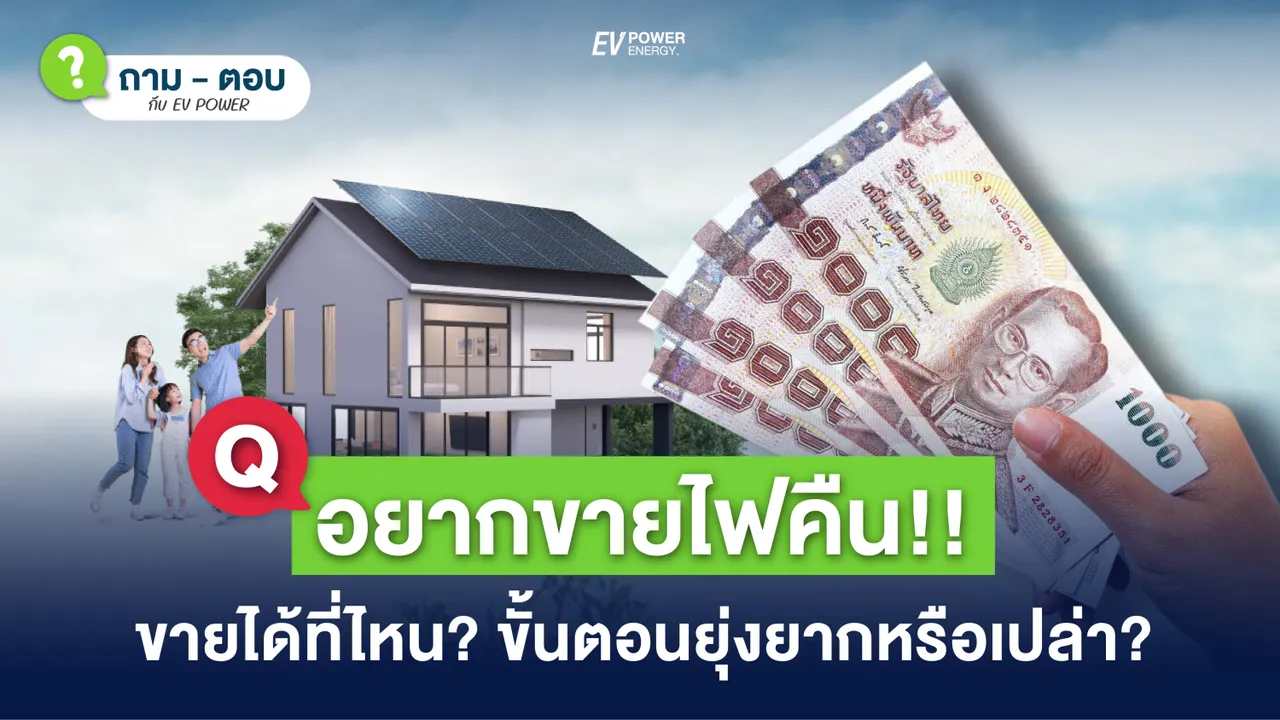
Q&A: Want to Sell Electricity Back!! Where Can You Sell It? Is the Process Complicated?
Q: After installing a solar system, can I sell electricity, and if so, how? A: Once your solar system is installed, you can sell surplus electricity back to the public grid. Currently, you can sell electricity back to the utility at 2.20 baht per unit with a contract of up to 10 years. Importantly, EV Power Energy handles the entire permit application process and will keep tracking your power-sale status throughout!
Read more →
Solar Aftersales Services: A Key Element You Can't Overlook
A solar system is like a long-term investment that not only saves on power bills but is also environmentally friendly. But to use a solar system efficiently, good aftersales service is essential to maintain the system so it runs efficiently and can be used for a long time, safely and cost-effectively.
Read more →
Zero Carbon: Calculate, Reduce and Offset in One App
Global warming results from the accumulation of greenhouse gases in the atmosphere from human activities, causing climate change. It is one of the main environmental problems affecting the lives of all living things on Earth. Taking part in solving environmental problems is therefore important — both by reducing activities that harm the environment and by joining programs that reduce impacts, such as carbon offsetting, to preserve the Earth's environment as it is. In our daily lives, every one of us contributes to environmental harm.
Read more →
Q&A: How Does Solar Work?
Q: How does a solar system work? A: When sunlight strikes the solar panels, light energy is converted into direct current (DC) electricity, which passes through a power converter (inverter) to be converted into alternating current (AC). This is fed into the building's main distribution board (MDB), where it combines with power from the utility, and then flows automatically to the various electrical appliances.
Read more →