Knowledge & news
Page 48
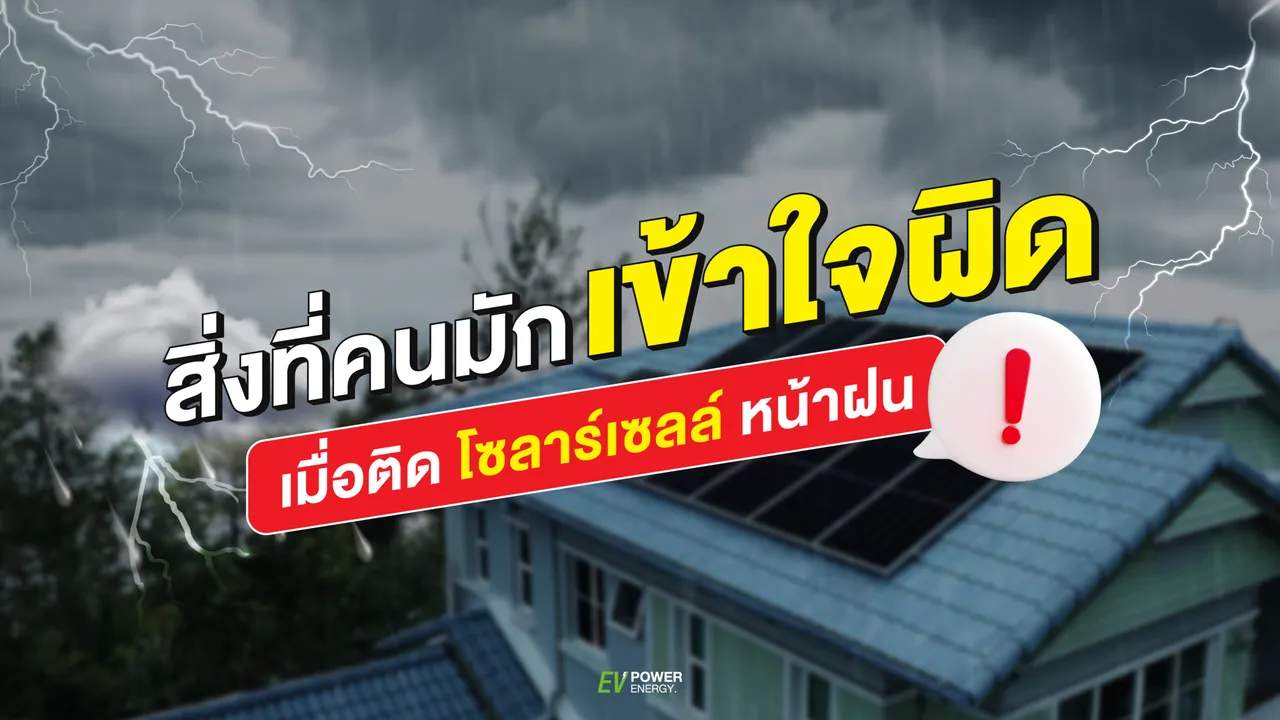
Common Misconceptions About Solar in the Rainy Season
Properly installing and using quality solar panels can be a great path to sustainable, environmentally friendly energy use. But some people have misconceptions about how well solar performs when it rains. We'll help clear up these misconceptions for you.
Read more →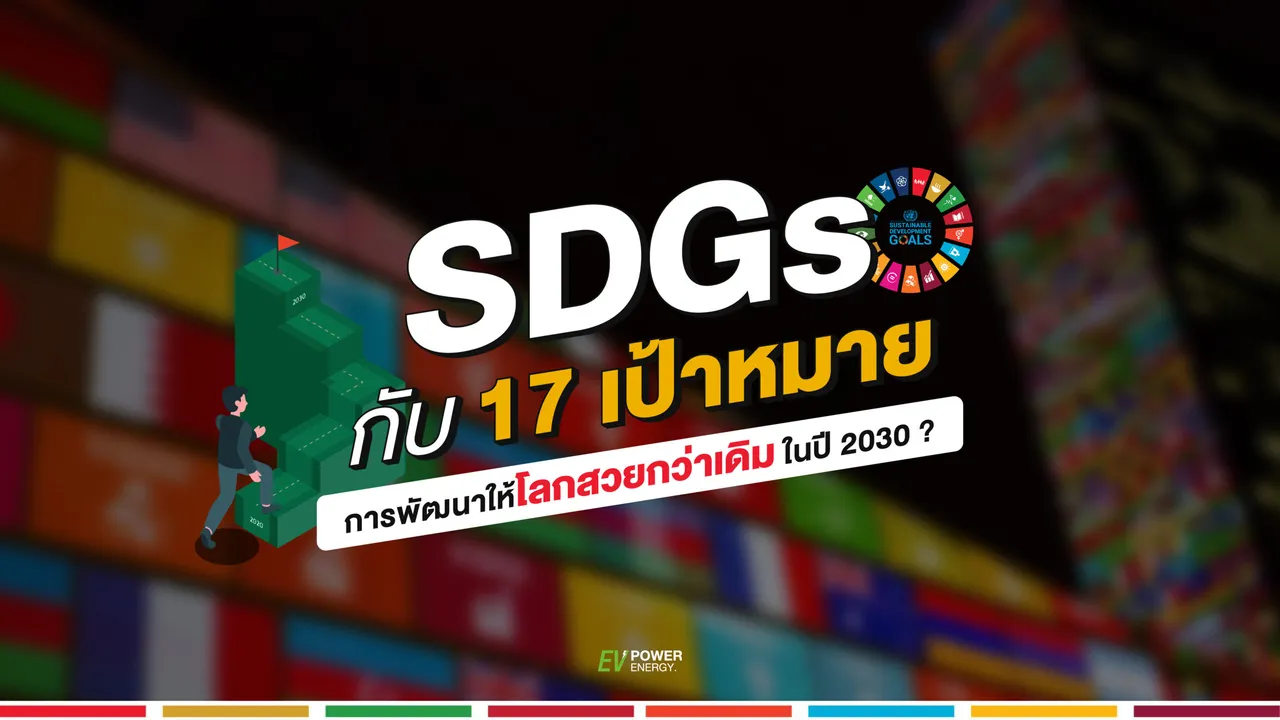
The SDGs and 17 Goals to Make the World a Better Place by 2030?
The SDGs, or Sustainable Development Goals, are a framework of goals set by the United Nations in 2015 to guide member countries in promoting sustainable development. There are 17 goals in total, covering key social, environmental and economic issues, with targets set to be achieved by 2030.
Read more →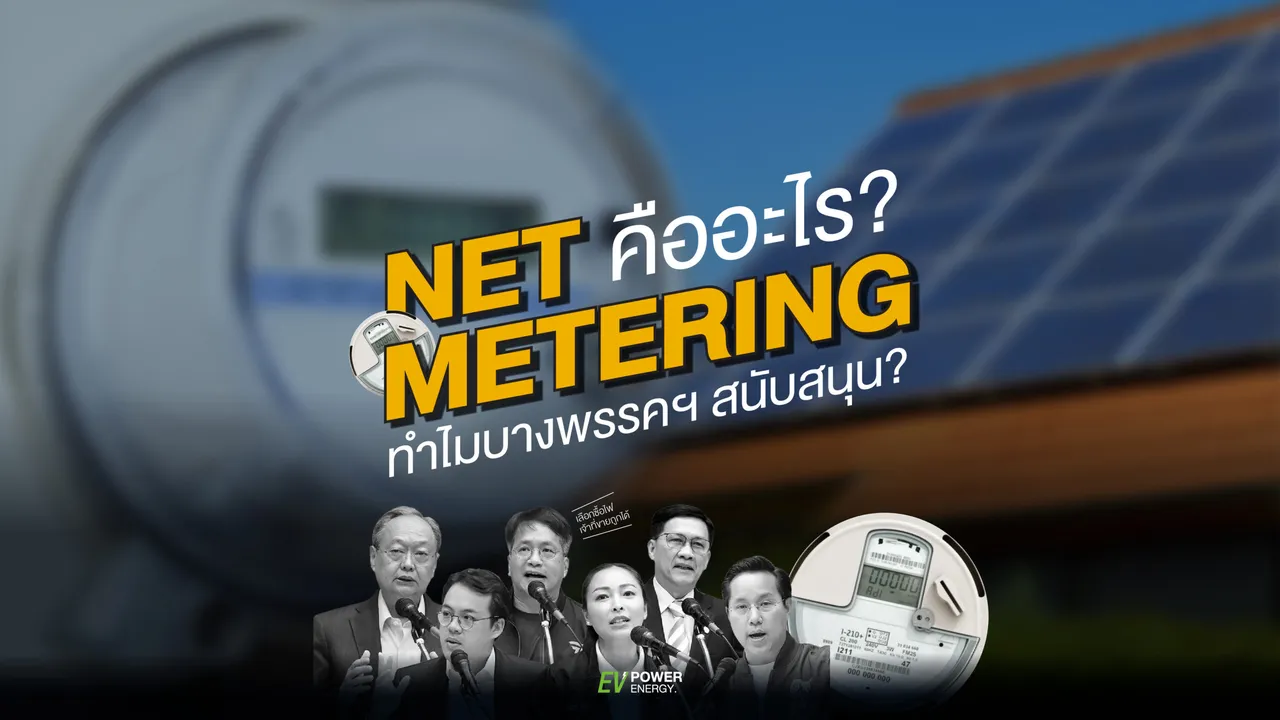
What Is Net Metering?
"Net Metering" is a system that allows property owners who generate electricity from renewable sources (such as solar or wind) to send electricity produced beyond their own needs into the public grid and exchange it for credits or discounts on the next billing cycle.
Read more →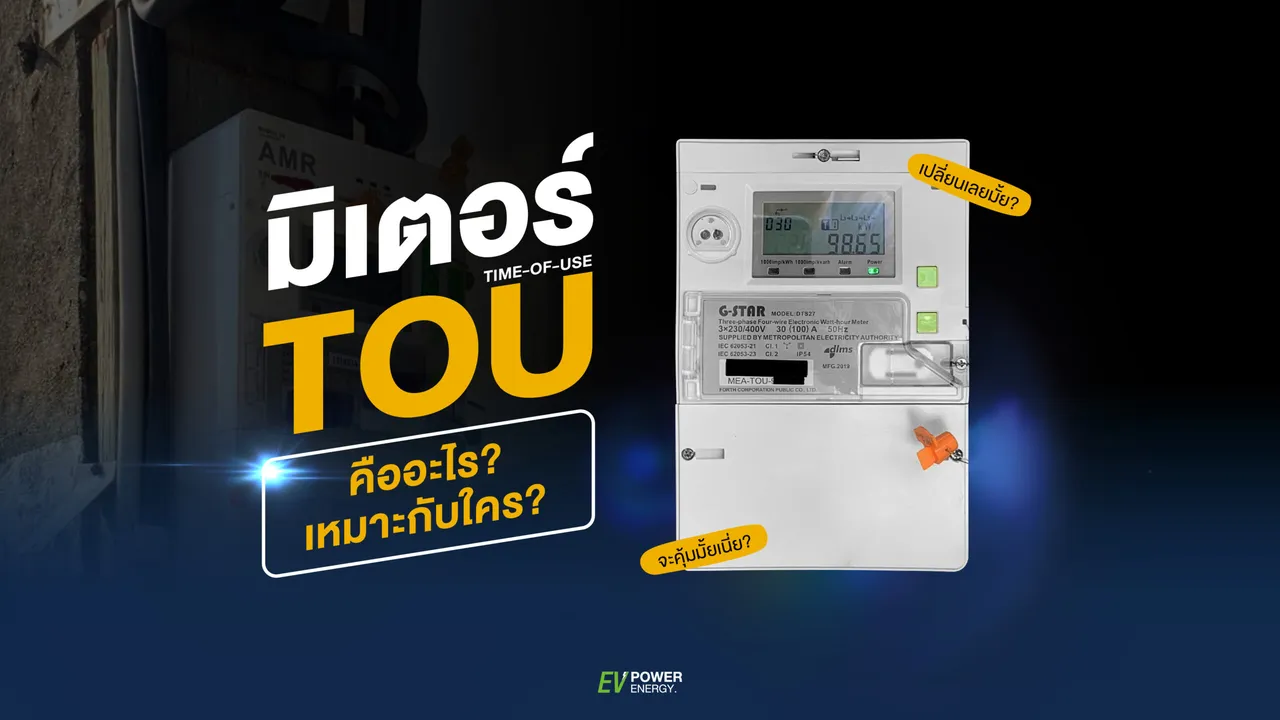
What Is a TOU Meter? Who Is It Right For?
A TOU meter, or TOU (Time of Use Tariff) electricity rate — a rate charged according to the time of use — is a new option for residential and small-business electricity users.
Read more →
The Highlights of Each Type of Solar Installation, Made Easy!
Comparing the features of each type of solar installation: Off-Grid, On-Grid and Hybrid
Read more →
How Does the HUAWEI LUNA 2000 Battery Work? Who Is It For?
The Huawei Luna 2000 battery features smart energy management and can store energy from renewable sources such as solar, or energy purchased from the electricity provider, to power your home or building.
Read more →
A Look at Political Parties' Clean Energy Policies in 2023: Which Parties, and How Do They Promote It?
Currently, several political parties in Thailand have policies on solar energy. Some parties have proposed policies to promote clean and sustainable energy, while others focus on reducing the use of energy that harms the environment.
Read more →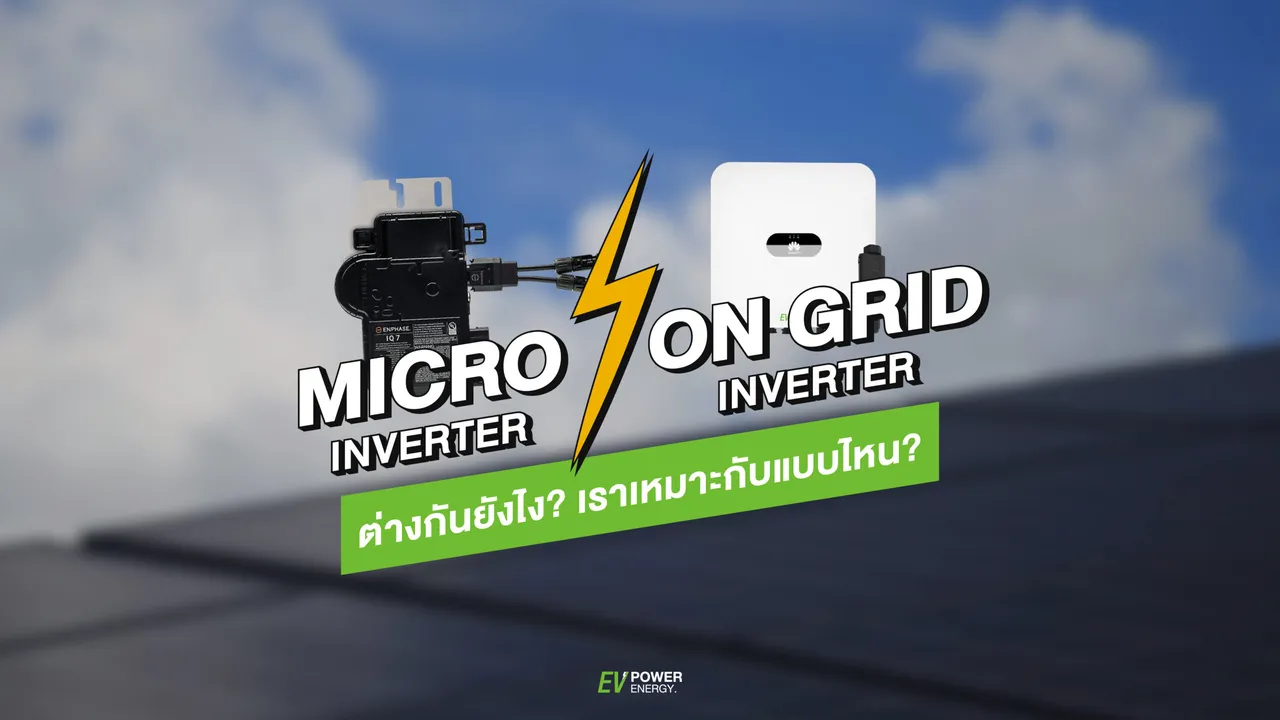
Micro Inverter vs On-Grid Inverter: What's the Difference, and Which Is Right for You?
Both are devices used in solar PV systems to convert current from the solar panels into alternating current (AC) compatible with the utility's power system, but they differ as follows:
Read more →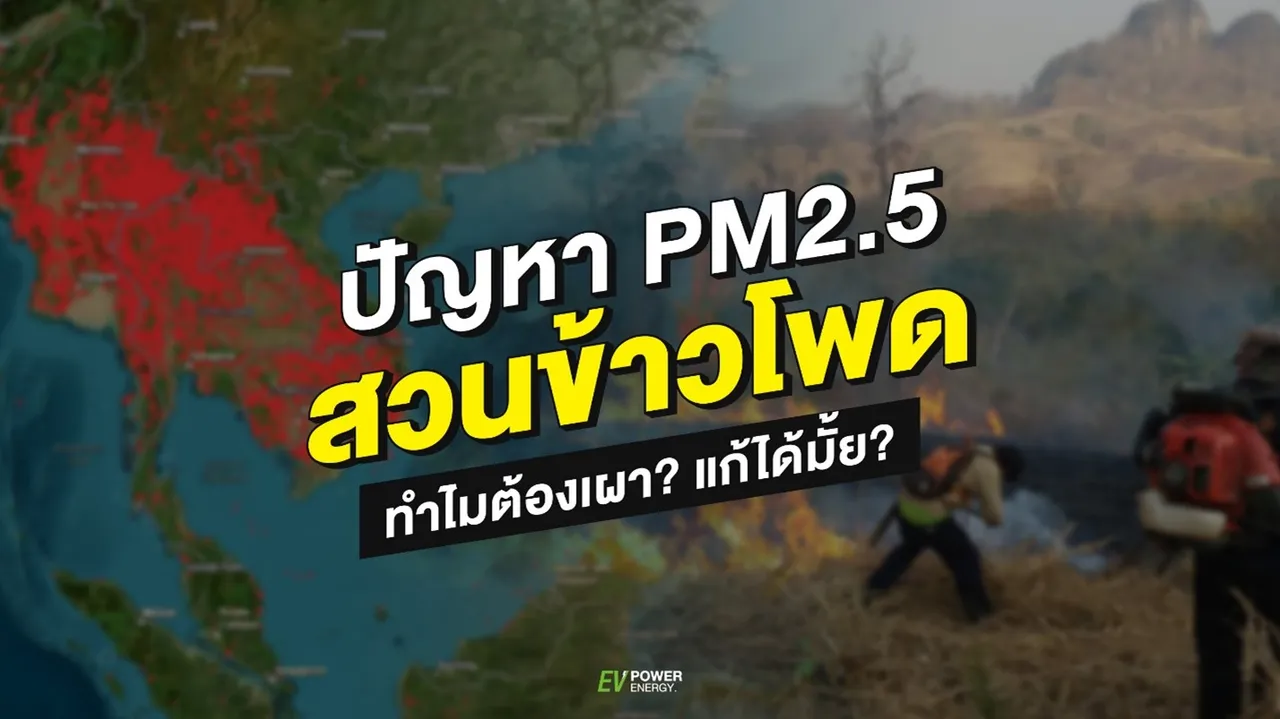
The PM2.5 Problem and Corn Fields: Why Burn? Can It Be Solved?
PM2.5 consists of tiny particles produced by burning fuel or burning organic matter such as forests, grass and crop residues. Burning corn fields is undoubtedly the most significant cause of PM2.5 during Thailand's dry season, especially in the northern and central regions.
Read more →
What Is Toxic PM2.5 Dust? What Causes It? How Can It Be Fixed?
PM2.5 refers to dust particles smaller than 2.5 microns, which can enter the human respiratory system and reach the body's internal organs. Areas in Thailand are counted among those with the highest PM2.5 risk levels in the world.
Read more →
Ways to Beat the Heat for Cool People: 2023 Edition
5 ways to beat the heat on a budget! 2023 — a real problem for people these days, when there are 3 seasons: very hot + PM2.5, hot + rain, and a little hot.
Read more →
Europe Confirms: Solar Installations Doubled in 2022
According to a European report, solar power generation in 2022 increased by 41.4 million watts, enough for 12.4 million households.
Read more →
What Is HYBRID Solar? How Is It Better?
HYBRID solar is a system that combines On-Grid and Off-Grid systems.
Read more →
New Zealand Tightens Up, Reorganizing Its Carbon Market to Spur Climate Action
Late last year, the New Zealand government issued new regulations requiring the greenhouse gas emissions permit trading market to tighten its market mechanisms, so that businesses recognize the importance of reducing greenhouse gas emissions. These new regulations result in
Read more →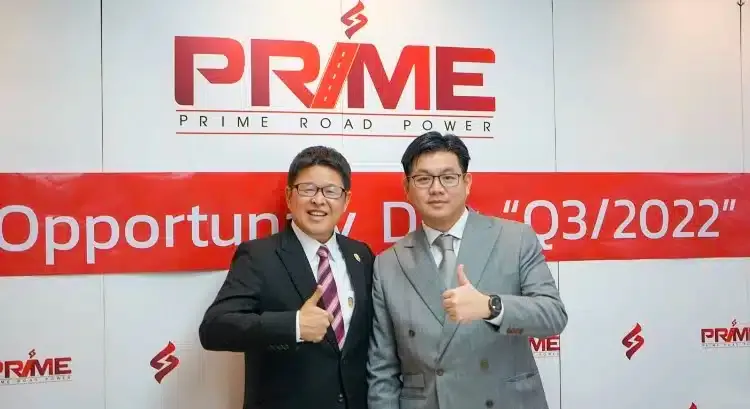
PRIME Affirms 800 MW Capacity Next Year for Certain
Prime Road Power Public Company Limited, or PRIME, has pledged that its generating capacity in 2024 will be no less than 800 megawatts, nearly 3 times its current capacity.
Read more →
Major Tech Company Launches the Country's First Solar Project
SUPERNAP Thailand has launched a solar energy project to power the most advanced data center in Thailand.
Read more →What Is Off-Grid? How Does It Work?
An Off-Grid, or Stand Alone, system generates electricity from solar without connecting to the distribution network of the Metropolitan Electricity Authority or the Provincial Electricity Authority. It suits places with no electricity or where power lines don't reach, where running long power lines isn't worthwhile due to high costs. For easier understanding, we classify the types by how they are connected for use, as follows:
Read more →How Many Types of Solar Systems Are There, and What Are They?
Currently, there are 3 types of solar installation: On-Grid, Off-Grid and Hybrid Grid systems.
Read more →Transparent Solar Panels Set to Replace Today's Panels
Advanced transparent solar technology collects and uses light energy through windows or other glass surfaces regardless of angle, and could revolutionize the solar industry by expanding its applications. In 2014, scientists at Michigan State University (MSU) successfully created a transparent solar energy harvester that can turn almost any sheet of glass or window into a solar cell.
Read more →Floating Solar Power Plant: RWE Project with SolarDuck
Under a cooperation agreement signed between SolarDuck and RWE in July 2022, the RWE project selected SolarDuck as the sole provider of offshore floating solar (OFS) technology, with built-in energy storage. RWE's bid for the Hollandse Kust West (HKW) VII offshore wind farm was also successful and will be expanded step by step.
Read more →As Expected! 2022 Was the Year with the Most Clean Energy Installed
There's no denying that solar, electric vehicles and clean energy are searched for and in the news everywhere, on every platform. With benefits and quality improving every day, society and global trends are turning their attention to them and developing them seriously.
Read more →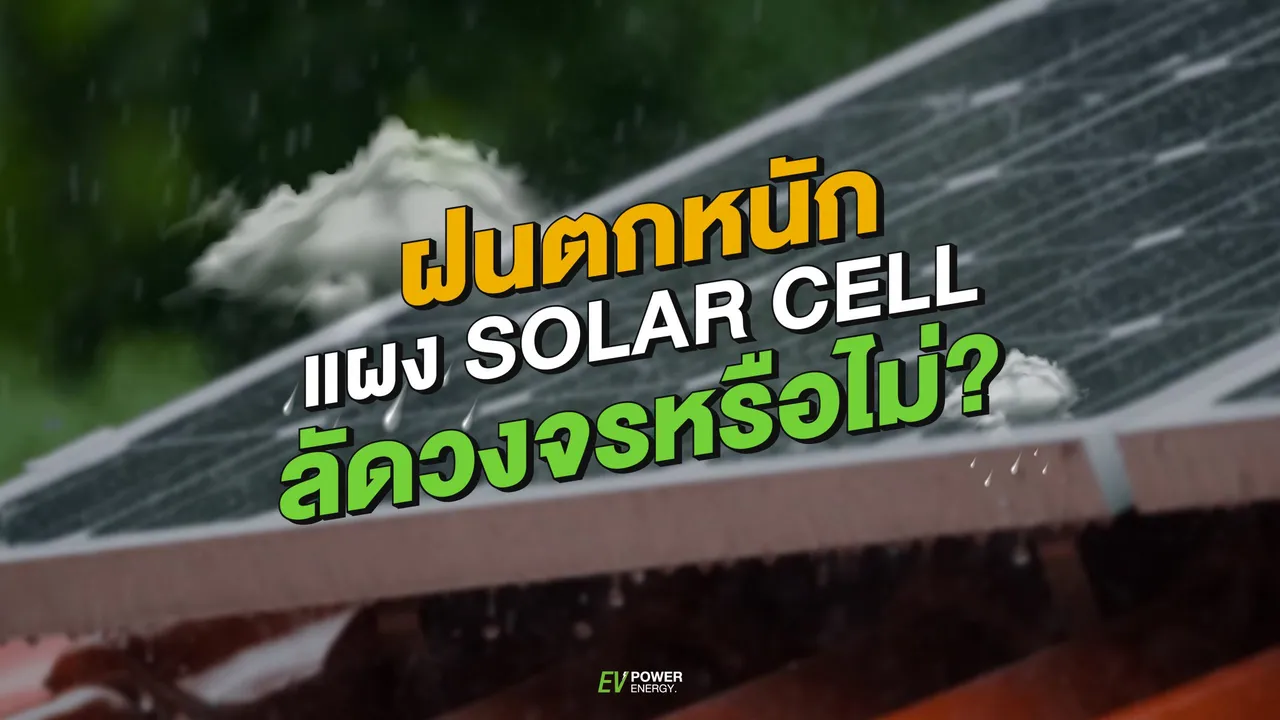
Heavy Rain: Will Solar Panels Short-Circuit?
There's no danger, because solar panels are designed to be exposed to rain without short-circuiting. The electrical connections are on the back of the panel and have a protection rating of IP67 or higher, meaning they are dust-tight and can be submerged in water at depths of 15 cm to 1 meter. However, for safety, it is not recommended to spray water directly onto the back of the panel, as the junction box is located there.
Read more →Will Solar Panels Really Become Future Waste?
What many people don't yet know about end-of-life solar panels: 1) The ERC requires standard-compliant solar installers to have an end-of-life panel management system in place. 2) The main components of solar panels are "sand" and "glass," for which recycling processes already exist, and they contain very few chemicals. 3) Components used to make solar panels, such as aluminum frames, cables and the clear front glass, can be recycled and there are buyers for them. 4) The only part of a solar panel that must be destroyed is the "photovoltaic cell" itself.
Read more →Types of Solar Panels
Solar panels are divided into 3 types: 1. Polycrystalline solar panels 2. Monocrystalline solar panels 3. Thin-film solar panels
Read more →