Thai electricity prices remain high in 2026. Even though the Ft charge has come down in some periods, base rates raised by policy years ago keep pressuring household and business costs nationwide. A mid-sized home using 500–800 units a month pays an average of 3,000–5,500 baht a month — almost 40% more than five years ago
The main cause is Thailand's power generation mix, which still relies mainly on natural gas — more than 55% of all fuel. When global LNG prices swing with geopolitics, the cost is passed straight to consumers through the Ft charge, which is adjusted every four months. This risk won't disappear in the short term
Solar is one of the most effective ways to 'lock in' your energy costs: once installed, the energy from sunlight is almost free for its 25–30-year lifespan. A typical home with a 5 kWp system saves an average of 2,500–3,500 baht a month, or 30,000–42,000 baht a year, paying back in 4–6 years
For businesses and factories the numbers are even more compelling. A 100–500 kWp system can cut 30–60% of the monthly bill, and combined with the BOI's 1.5× tax deduction, payback drops to just 2–3 years — a higher ROI than most production machinery investments
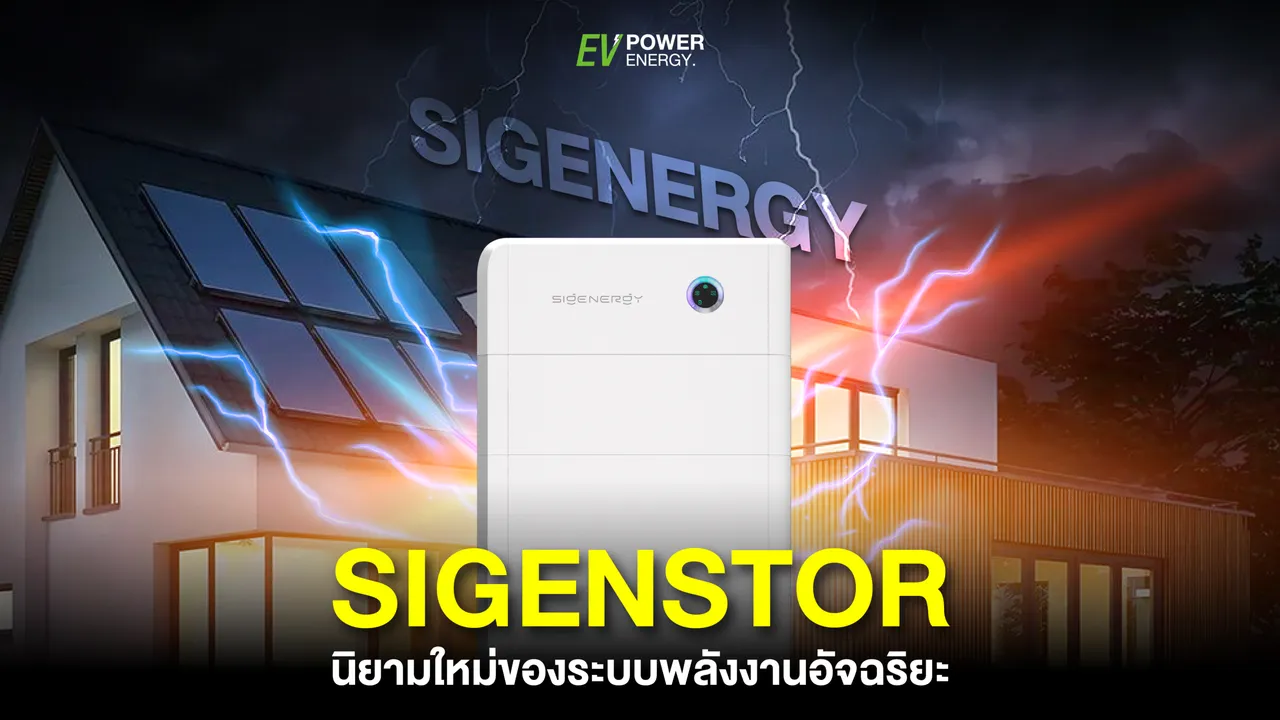
In 2026, battery energy storage (BESS) prices keep falling, making Solar + BESS far more cost-effective for homes with heavy night-time use or businesses that need a reliable power supply. Pairing an EV charger with home solar also lets EV owners charge with cheap, clean energy all day
If you're considering solar, 2026 is a good time: panel prices are lower, government tax deductions remain in effect until 2028 and electricity rates stay high — making the return on investment better than ever